



Can You Use Baby Wipes on Your Dog? Here’s Why You Shouldn’t
Updated 2026
Baby wipes are formulated for human infant skin, which has a pH of 6.5–7.5. Dog skin has a pH of 6.2–7.4 superficially similar, but the similarity ends there. Baby wipes contain preservatives, fragrances, and surfactants calibrated to human skin biology and tested for human toxicity thresholds. Dogs lick themselves. What a human infant cannot ingest through the skin, a dog can ingest directly after a wipe-down and several common baby wipe ingredients are listed as toxic to dogs by the ASPCA Animal Poison Control Center as of 2023.
The short answer is: baby wipes are not dangerous in a single, isolated use on intact skin. The real concern is repeated use on paws, faces, wrinkle folds, or any surface a dog licks. Cumulative dermal exposure to the wrong pH disrupts the skin’s acid mantle. Cumulative oral exposure to propylene glycol, alcohol, and synthetic fragrance compounds accumulates differently in dogs than in humans. The risk scales with frequency.

The pH problem: skin is not skin
The acid mantle is a thin protective film on the skin surface, maintained at a species-specific pH, that inhibits bacterial and fungal growth. In adult humans, the acid mantle pH sits between 4.5 and 5.5 distinctly acidic. In dogs, the equivalent pH range is 6.2 to 7.4 significantly less acidic, closer to neutral.
Baby wipes are not formulated for adult human skin either infant skin pH sits at 6.5–7.5 at birth, closer to dog skin pH. However, the similarity in pH range does not mean baby wipes are safe for dogs. The problem is not only pH: it is the ingredient stack behind the pH, which is tested for human infant toxicity thresholds and oral safety profiles not canine ones.
| Skin Type | pH Range | Formulation Target |
|---|---|---|
| Human adult skin | 4.5–5.5 | Acidic supports human microbiome, resists pathogens at this range |
| Human infant skin | 6.5–7.5 | Closer to neutral baby wipes are formulated for this range |
| Dog skin | 6.2–7.4 | Closer to neutral significantly less acidic than adult human skin |
A wipe formulated for adult human skin pH (4.5–5.5) applied to dog skin (6.2–7.4) shifts the acid mantle toward human pH over repeated use. This disrupts the canine skin microbiome, impairs barrier function, and increases susceptibility to opportunistic bacterial and yeast infections particularly in skin folds, paw pads, and ear margins where moisture already concentrates.
Baby wipe ingredients that are unsafe for dogs
The specific risk is not the wipe as a product it is the individual compounds within it. Most baby wipe formulations contain between 15 and 30 ingredients. Several of those ingredients are appropriate for topical use on human infants but are listed as toxic to dogs at repeated or elevated doses by the ASPCA Animal Poison Control Center (2023) and the American College of Veterinary Internal Medicine.
| Ingredient | Found in Baby Wipes | Risk to Dogs |
|---|---|---|
| Propylene glycol | Common humectant in most brands | Metabolised differently in dogs than humans; associated with Heinz body anaemia in cats and at high doses in dogs (ASPCA Poison Control, 2023) |
| Fragrance / parfum | Added scent compounds (unspecified) | Contact allergen; dogs with atopic dermatitis show elevated reactivity. Fragrance is a catch-all for up to 200 unspecified compounds. |
| Methylparaben / propylparaben | Preservative system | Parabens are endocrine-disrupting compounds. Canine skin absorbs topical compounds at higher rates than human skin due to thinner epidermis. |
| Sodium lauryl sulfate (SLS) | Surfactant / lathering agent | Strips the acid mantle of canine skin. Dog skin pH is 6.2–7.4; SLS is formulated for human pH 4.5–5.5. Disrupts barrier function at dog-specific pH. |
| Alcohol (ethanol / isopropyl) | Preservative, drying agent | Toxic to dogs at sufficient dose. Topical absorption through damaged or thin skin (paws, ears, skin folds) is a documented exposure route. |
| Aloe vera (synthetic) | Skin soother in some formulations | Saponins in aloe vera are toxic to dogs if ingested. Dogs lick treated areas. Topical wipes applied to paws are high-risk for oral ingestion. |
INGESTION RISK
Dogs lick their paws after every walk, their face after every clean, and their coat after any handling. A wipe applied to a dog’s paw is not a topical-only exposure, it is also an oral exposure within minutes. Ingredients that are safe for human skin contact may not be safe for canine oral ingestion at the concentrations found in baby wipe formulations.
Are there cases where baby wipes are acceptable?
Baby wipes are acceptable in two specific, bounded situations: a single-use emergency where no dog-specific wipe is available, and a wipe-down of a surface the dog is unlikely to lick specifically, the back of the neck or upper back coat. Even in these cases, the wipe should be unscented, alcohol-free, and propylene glycol-free. Fragrance-free, alcohol-free baby wipes carry the lowest risk profile among standard formulations.
Baby wipes are not acceptable for repeated use on paws, faces, ears, or skin folds. These are high-lick surfaces where oral ingestion follows topical application within minutes. They are also areas where the skin barrier is thinner, moisture concentrates, and irritant exposure is most likely to trigger dermatitis. The risk-benefit calculation in these locations does not favour baby wipes, even for a single use if dog-specific alternatives are available.
The position of the American Kennel Club’s veterinary advisory content (updated 2023) is consistent with this: baby wipes can be used in an emergency for a quick surface clean on a non-sensitive area, but they should not replace dog-specific wipes for routine use. That is not a precautionary overclaim; it reflects the ingredient difference between products formulated for human biology and products formulated for canine biology.
What makes a dog wipe different?
Dog-specific wipes are formulated without the three highest-risk baby wipe ingredients: propylene glycol, synthetic fragrance, and parabens. The pH is calibrated to the 6.2–7.4 canine skin range, not the 4.5–5.5 adult human range. Surfactants are selected for gentler interaction with the canine acid mantle. And critically: the ingestion safety profile accounts for the fact that dogs lick treated areas.
The substrate matters too. Dog wipes use a non-woven textile engineered to clean without over-stripping the skin surface; the same mechanical action that makes baby wipes effective on humans can be too aggressive on canine skin, particularly in thin-skinned areas like paw pads and ear margins. The wipe texture, combined with the formulation, determines whether the result is a clean surface or an irritated one.
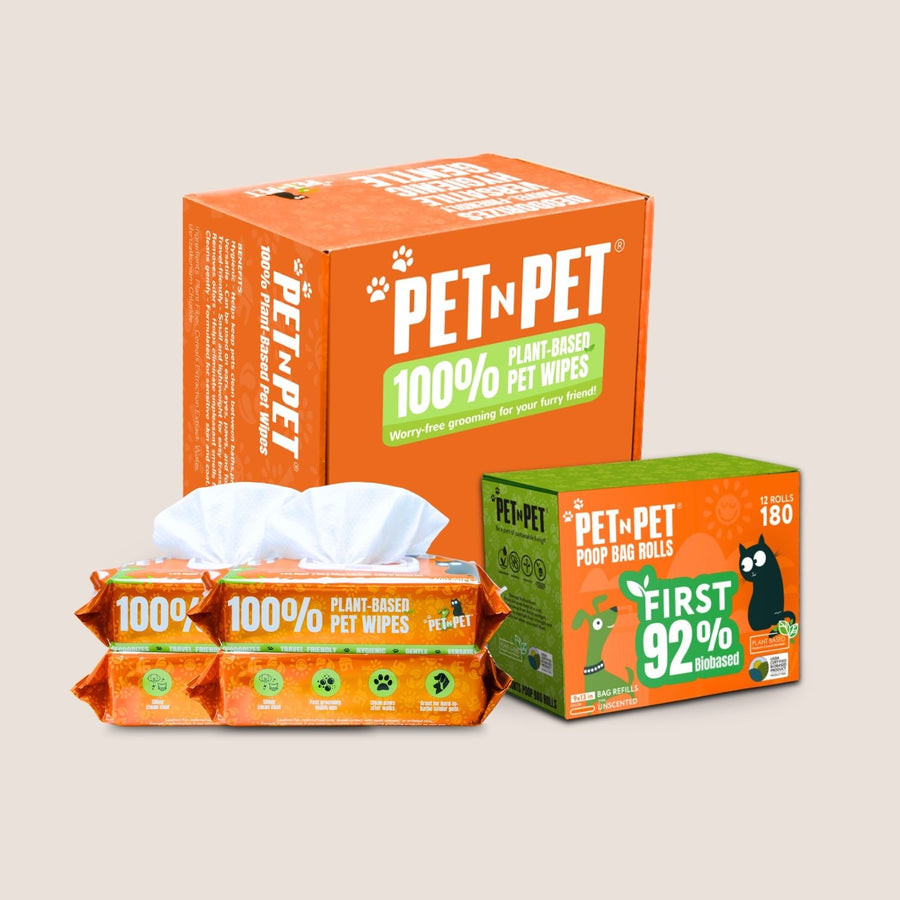
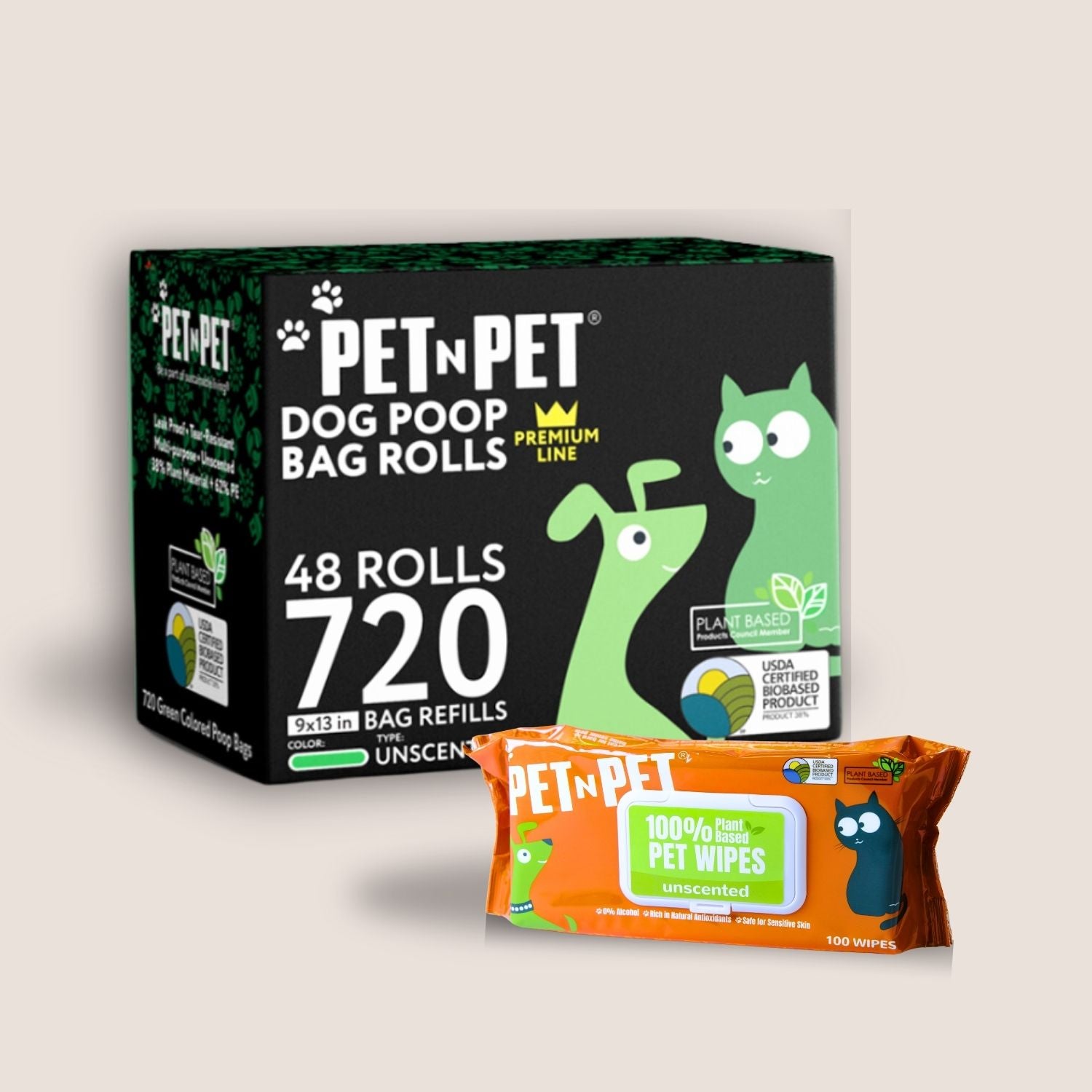
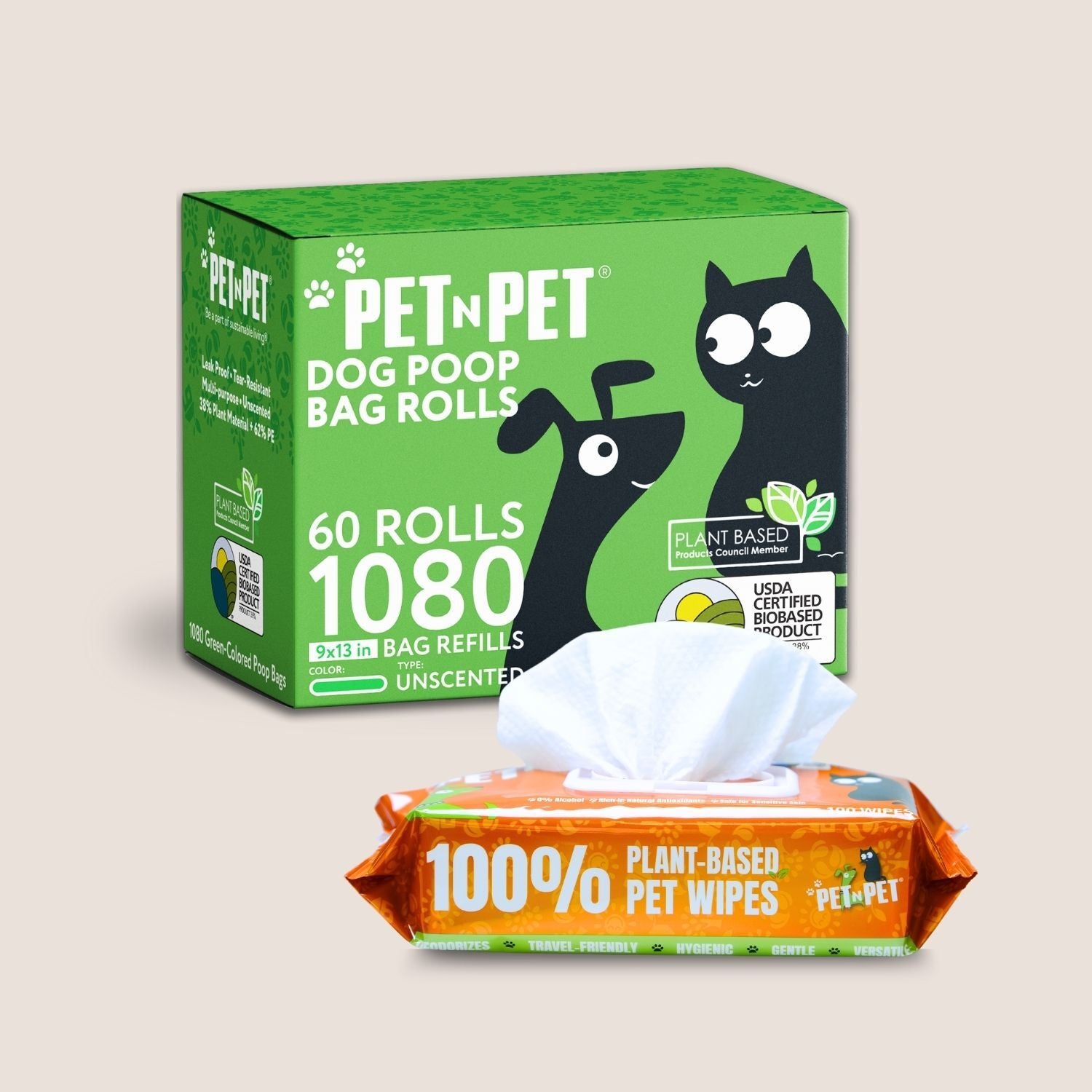
Pet N Pet dog wipes are formulated alcohol-free, paraben-free, and without artificial fragrance. The substrate contains USDA Certified Biobased content verified by the USDA BioPreferred Program through ASTM D6866 testing, meaning the wipe material is USDA Certified Biobased and verified through the USDA BioPreferred Program. That is a material composition claim, not a biodegradability claim. For owners who use wipes daily on paws and face, the ingredient stack and the material source are both worth knowing.
What to check on any dog wipe label
Not all dog wipes are created equal. The label “dog wipes” does not automatically guarantee the product is free of the problematic ingredients found in baby wipes. Some budget dog wipe formulations contain propylene glycol, fragrance, and parabens, the same compounds present in the baby wipes they are meant to replace. The label check matters.
Alcohol-free. Both ethanol and isopropyl alcohol appear in some wipe formulations as preservatives. Neither is appropriate for routine use on dog skin, particularly on paws and faces.
Fragrance-free or naturally scented only. “Fragranced” and “parfum” on a label can represent up to 200 unspecified compounds. Dogs with atopic dermatitis have elevated contact allergen reactivity. Use fragrance-free where possible.
No propylene glycol. Listed as a skin conditioning agent in many budget formulations. Associated with red blood cell damage in cats and at elevated doses in dogs. Not necessary in a well-formulated dog wipe.
No parabens (methylparaben, propylparaben, butylparaben). Endocrine-disrupting preservatives. Canine skin absorbs topical compounds at higher rates than human skin due to a thinner stratum corneum. Avoid daily-use products.
pH-balanced for dogs (6.2–7.4). Not all dog wipe labels state pH. Where it is stated, confirm it falls within the canine skin range, not the adult human range (4.5–5.5). A wipe at adult human pH disrupts canine barrier function with repeated use.
Baby wipes are not the right tool for dogs not because a single use causes acute harm, but because the ingredients they contain are not tested for canine biology, the pH is wrong for repeated use on dog skin, and dogs lick treated areas within minutes of application. The cumulative risk of propylene glycol, parabens, alcohol, and synthetic fragrance on a surface a dog regularly ingests is not theoretical. It is documented by the ASPCA Animal Poison Control Center at repeated exposure doses.
Dog-specific wipes formulated without these compounds and calibrated to canine skin pH are a direct substitute with zero compromise on cleaning performance. The ingredient check is simple: alcohol-free, fragrance-free, paraben-free, propylene glycol-free. Any wipe that clears those four gates is safe for routine use on paws, faces, and body coat.
FREQUENTLY ASKED QUESTIONS
Are baby wipes safe to use on dogs?
Baby wipes are not acutely dangerous in a single, isolated use on intact skin in a non-sensitive area. They are not safe for repeated use on paws, faces, ears, or skin folds. Baby wipes contain propylene glycol, synthetic fragrance, parabens, and sometimes alcohol compounds listed as toxic to dogs at cumulative doses by the ASPCA Animal Poison Control Center (2023). Dogs lick treated surfaces, making topical application also an oral exposure route.
What is the difference between baby wipes and dog wipes?
Baby wipes are formulated for human infant skin at pH 6.5–7.5, with preservatives, fragrances, and surfactants calibrated for human biology. Dog wipes are formulated for canine skin at pH 6.2–7.4, without propylene glycol, parabens, alcohol, or synthetic fragrance ingredients that are appropriate for human infant skin but carry documented toxicity risk for dogs at repeated or elevated doses. The substrate texture and surfactant chemistry are also distinct.
What happens if I use baby wipes on my dog regularly?
Regular use of baby wipes on dogs can disrupt the canine acid mantle over time, increasing susceptibility to bacterial and yeast infections on the skin surface. On high-lick surfaces paws and face cumulative oral ingestion of propylene glycol and synthetic fragrance compounds occurs. The ASPCA Animal Poison Control Center identifies propylene glycol as associated with Heinz body anaemia in cats and toxic at elevated doses in dogs.
Can I use unscented baby wipes on my dog in an emergency?
Unscented, alcohol-free, propylene glycol-free baby wipes carry the lowest risk profile among standard baby wipe formulations and can be used in a genuine emergency specifically for a single-use clean of a non-sensitive area the dog is unlikely to lick. They should not replace dog-specific wipes for routine paw, face, or skin fold cleaning. The American Kennel Club’s veterinary advisory content (2023) takes this position.
What ingredients should I avoid in dog wipes?
Avoid dog wipes that contain propylene glycol, methylparaben or propylparaben, isopropyl or ethyl alcohol, synthetic fragrance or parfum, sodium lauryl sulfate (SLS), and aloe vera where oral ingestion is likely. These are the six highest-risk baby wipe ingredients for dogs. A compliant dog wipe is alcohol-free, paraben-free, fragrance-free, and propylene glycol-free. USDA Biobased certified dog wipes with plant-derived substrate materials have been independently tested for material composition by the USDA BioPreferred Program.